

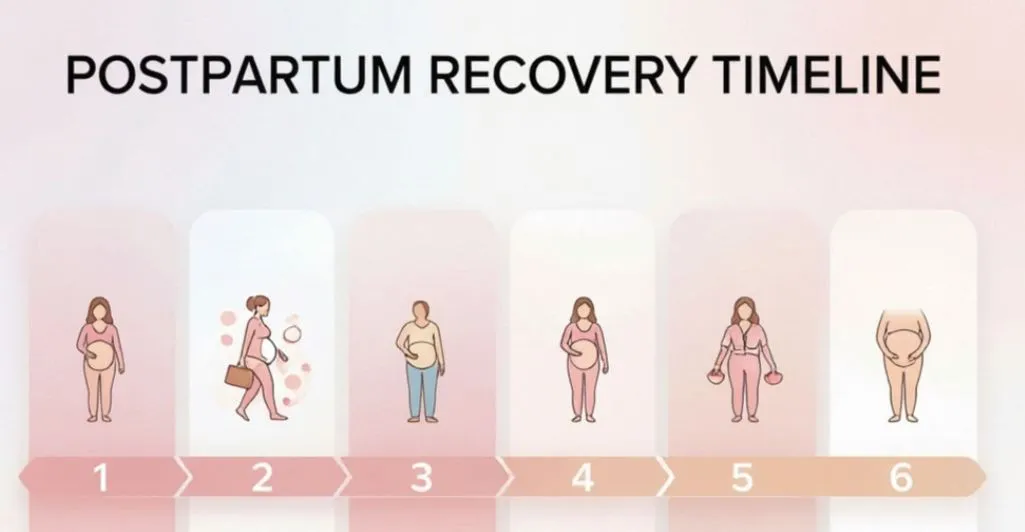
The moment a baby is born, a mother is also born. While much of the world’s focus naturally shifts to the newborn, the physical and emotional transformation of the person who gave birth is equally profound. Navigating the days and weeks following childbirth requires patience, self-compassion, and a clear understanding of how the body repairs itself. Establishing a realistic postpartum recovery timeline helps set healthy expectations, allowing new mothers to honor their bodies’ need for rest and rejuvenation during this delicate transition.
The immediate transition: your body after birth first weeks
The initial days following delivery are characterized by dramatic hormonal shifts and rapid physical adjustments. As estrogen and progesterone levels plummet, the uterus begins a process called involution, contracting back to its pre-pregnancy size. At the same time, the breasts prepare for lactation, transitioning from producing nutrient-rich colostrum to mature breast milk. These sudden internal changes often manifest in a variety of unexpected physical sensations that are completely normal during the early days at home.
To help you navigate this intense period, it is useful to recognize the common physical developments that occur as your system begins to recalibrate:
- uterine cramping: mild to moderate contractions, often felt more intensely during breastfeeding, which help shrink the uterus and minimize bleeding
- engorgement and swelling: temporary breast fullness and tenderness as mature milk comes in, typically between the second and fifth days postpartum
- perineal soreness: discomfort, swelling, or bruising in the vaginal area, which is common regardless of whether tearing or stitches occurred
- hormonal sweating: night sweats and increased urination as the body actively sheds the extra fluid volume accumulated during pregnancy
- physical fatigue: profound exhaustion resulting from the physical exertion of labor combined with the demands of newborn sleep schedules
Understanding these early symptoms provides reassurance that your body is responding normally to the end of pregnancy. While these sensations can be challenging to manage alongside newborn care, they are temporary signs of your organs returning to their standard state, laying the foundation for long-term strength.
Deciphering postpartum bleeding: lochia after delivery
One of the most significant aspects of uterine healing is the discharge of tissue and blood that supported the pregnancy. This natural process is essential for cleansing the uterus and preventing internal infection. The shedding progresses through distinct phases, gradually changing in color, volume, and consistency over several weeks.
Monitoring these daily changes helps you track your internal healing progress and ensure that your recovery is on the right path.
| Healing phase | Typical timeframes | Discharge characteristics | Primary components |
|---|---|---|---|
| Lochia rubra | Days 1 to 4 | Bright red, heavy flow, occasional small clots | Fresh blood, mucosal tissue, decidual cells |
| Lochia serosa | Days 5 to 14 | Pinkish brown, moderate to thin flow, no clots | Old blood, serum, white blood cells |
| Lochia alba | Weeks 3 to 6 | Creamy white or pale yellow, very light spotting | Decidual cells, mucus, fat, epithelial cells |
This predictable progression of lochia after delivery is a reliable indicator of uterine recovery. While the overall volume of discharge should steadily decrease, minor temporary increases are common if you push yourself physically or stand up after resting for an extended period.
Essential healing practices: postpartum healing tips
Giving yourself permission to heal is perhaps the most critical component of the early postpartum weeks. Whether you experienced a vaginal delivery or a cesarean birth, your body has undergone a major physical event that requires dedicated care and rest. Implementing targeted comfort measures can significantly ease discomfort and accelerate the tissue repair process.
Incorporating gentle, consistent self-care habits into your daily routine can make a dramatic difference in your physical comfort and emotional well-being:
- Utilize a peri bottle: spray warm water over your perineum after using the restroom to keep the area clean without painful wiping
- Apply cold therapy: use chilled gel packs or witch hazel-infused padsicles to reduce localized swelling and soothe irritated tissues
- Practice incision care: keep C-section or perineal stitches clean and dry, patting the area gently with a soft towel rather than rubbing
- Prioritize fiber and hydration: consume plenty of water and fiber-rich foods to prevent constipation and ease the anxiety of your first bowel movements
- Rest whenever possible: align your sleep patterns with your baby’s naps to combat the physical exhaustion that can delay tissue healing
These practical postpartum healing tips are designed to support your body’s innate healing intelligence. By prioritizing your physical comfort and hygiene, you minimize the risk of secondary complications like wound infections, allowing you to transition into parenthood with greater ease and confidence.
Preparing for the postpartum checkup checklist
As you approach the end of the six-week mark, your primary healing phase culminates in a vital medical evaluation. This appointment is not merely a clinical formality; it is a comprehensive opportunity to assess your physical recovery, discuss mental wellness, and plan for the future. Preparing for this visit ensures that all your questions are answered and that your transition to regular activity is safe and supported.
To make the most of this appointment, it is helpful to have a postpartum checkup checklist: a physical exam to check uterine involution and incision healing, a discussion about emotional wellness and screening for postpartum depression, a pelvic floor assessment to evaluate muscle tone, and a conversation about safe contraception and resuming physical intimacy. This structured review ensures that both your physical and emotional needs are addressed, giving you a clear path forward as you enter the next phase of motherhood.
When to seek immediate medical attention
While the vast majority of postpartum recoveries progress smoothly, complications can occasionally arise. Recognizing the difference between normal healing discomfort and warning signs that require urgent clinical evaluation is vital for your safety. If you experience extremely heavy bleeding that saturates a sanitary pad in less than an hour, pass blood clots larger than a plum, or run a fever over 100.4°F, contact your healthcare provider immediately. Similarly, severe, localized pain in your calf, sudden shortness of breath, or a persistent, debilitating headache that does not respond to medication are critical signals that demand prompt professional intervention to protect your health.