

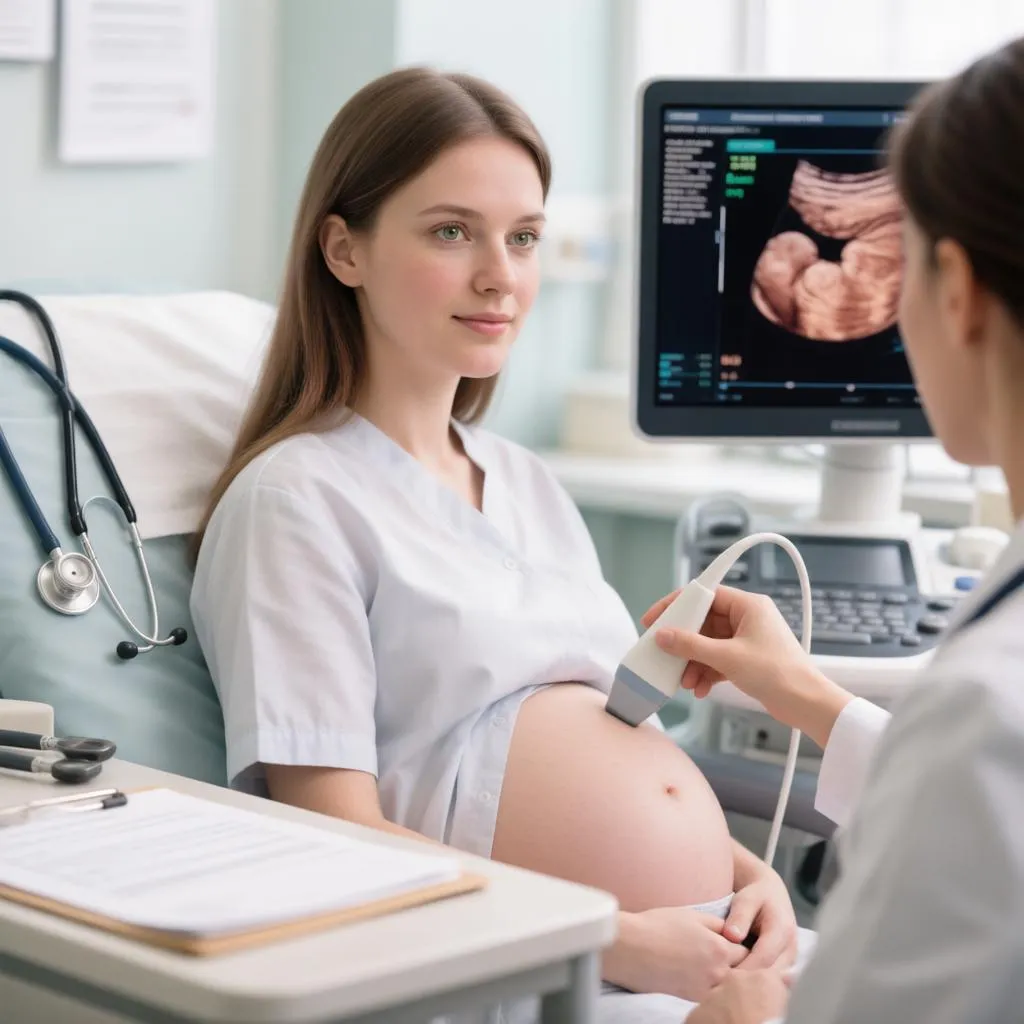
Ask most expectant parents about infections to avoid during pregnancy, and they will name toxoplasmosis, listeria or Zika. Very few will name cytomegalovirus — even though CMV is, by every measure, the most common infection passed from mother to baby before birth in the developed world. It affects more pregnancies than all the better-known congenital infections combined, it causes more long-term disabilities in children than many conditions that receive far more public attention, and yet public awareness remains strikingly low. The reasons for this gap are understandable: most CMV infections in healthy adults produce no symptoms at all, most babies born with congenital CMV are healthy, and the virus itself is extremely common — a large share of adults carry it without ever knowing. But the mathematics of “rare complication, common infection” still adds up to thousands of affected children every year, and the practical steps that reduce risk are simple enough that every pregnancy deserves the information. Here is how the virus works, who is at risk, what the numbers mean, and what can realistically be done about it.
What CMV is and how it spreads
Cytomegalovirus is a member of the herpesvirus family — the same viral family as chickenpox and the herpes simplex virus. Like all herpesviruses, it has a defining trait: after a primary infection, it remains in the body for life in a dormant state, and can occasionally reactivate. A person can also be reinfected with a different strain of the virus. This biology matters for pregnancy because it means there are several distinct ways a developing baby can be exposed:
| Route | What happens | Who is most affected |
|---|---|---|
| Primary infection | First-time CMV infection during pregnancy | Highest transmission risk of all routes — roughly one in three pregnancies transmits the virus |
| Reactivation | A dormant virus from an earlier infection becomes active again | Lower transmission risk, but possible |
| Reinfection | Exposure to a new, different CMV strain | Possible even in people already immune to one strain |
The transmission routes in everyday life are the same routes that make CMV so widespread: the virus lives in saliva, urine, tears, breast milk and other bodily fluids. It spreads through close contact — sharing utensils, kissing a child on the mouth, wiping a toddler’s nose and then touching the face, changing diapers. Young children are the central players in this cycle: toddlers in daycare and at home are often shedding the virus in saliva and urine for months, without any visible illness, and parents of small children absorb the virus from them regularly.
This is why CMV in pregnancy sits at an unusual intersection of risk and daily life: the most likely source of a new infection is the loving contact with one’s own toddler. That fact makes prevention advice both more practical and more delicate than the standard warnings about undercooked food and travel — the risk factor is family life itself.
Why CMV is the leading congenital infection
The numbers explain the title of this question. When a pregnant woman has a primary CMV infection, the virus crosses the placenta in roughly one in three cases. Once transmitted to the fetus, the consequences vary enormously — from complete absence of any effect to severe congenital disease. Across all pregnancies, congenital CMV occurs in a small fraction of births; but because the number of births is enormous, that fraction translates into more affected children each year than toxoplasmosis, rubella, herpes and HIV combined.
The spectrum of outcomes for infected babies looks like this:
- The majority show no signs at birth. Most babies with congenital CMV — around eight or nine in ten — are born healthy and asymptomatic. Some of these children develop hearing loss later, in infancy or early childhood, which is why follow-up hearing screening matters for affected babies even when they appear healthy at birth.
- A minority show symptoms at birth. Signs can include low birth weight, an enlarged liver or spleen, jaundice, a distinctive rash of small purple spots, microcephaly (an unusually small head), seizures, and abnormal blood counts.
- A smaller group develops long-term disability. The most common long-term consequence is hearing loss, which may be present at birth or appear progressively. Vision problems, developmental delay, motor impairment and intellectual disability occur in the more severely affected children — particularly those with symptoms visible at birth.
Hearing loss deserves specific emphasis because it is the signature injury of congenital CMV: the virus is the leading non-hereditary cause of sensorineural hearing loss in children. A baby who passes the newborn hearing screen can still lose hearing in the first years of life, which is why children known to have congenital CMV are monitored with repeated hearing tests even when they seem entirely well.
Risk levels by trimester: the paradox of timing
The relationship between the stage of pregnancy and the severity of congenital CMV is one of the most important — and least intuitive — facts about this infection. The transmission risk and the severity of outcome move in opposite directions as pregnancy advances.
| Stage of pregnancy | Chance the virus reaches the baby | Severity if transmitted |
|---|---|---|
| First trimester | Lowest — roughly one in three or fewer of cases transmit | Highest — early organ development means more severe outcomes, including structural effects |
| Second trimester | Moderate transmission risk | Mixed — significant risk of hearing loss and other sequelae |
| Third trimester | Highest — up to roughly two in three of cases transmit | Lowest — most infected babies are born asymptomatic or with milder effects |
This inverse relationship has a practical meaning: the most dangerous window for severe outcomes is early pregnancy, when many women do not yet know they are pregnant and when prevention habits matter most. A woman planning pregnancy or in early pregnancy has the strongest case for consistent hygiene practices around small children — precisely because the period of highest severity risk is also the period when no symptoms will ever announce the infection. The virus itself, in a healthy adult, usually produces nothing more than a mild fatigue or a slight sore throat, or nothing at all.
Testing and diagnosis: what can and cannot be done
The diagnostic landscape for CMV in pregnancy is more complicated than for many other infections, and understanding its boundaries prevents both unnecessary anxiety and false reassurance.
What testing can accomplish:
- Serology (blood antibodies) can establish the timing picture. Tests for IgG and IgM antibodies can indicate whether a woman has ever had CMV, and whether a recent primary infection is likely. IgG-positive with IgM-negative generally suggests past infection with lower risk; a pattern suggesting primary infection in the current pregnancy triggers closer monitoring.
- PCR testing can detect active viral presence. Testing blood, and in some protocols urine, can confirm active infection and help clarify whether a recent infection is likely.
- Amniotic fluid testing can confirm or exclude fetal infection. When a maternal infection is suspected, amniocentesis with PCR testing — performed at an appropriate gestational age — can determine whether the virus actually reached the fetus. This is the decisive diagnostic step when the question is fetal involvement.
- Ultrasound and fetal MRI can identify consequences. Imaging can detect some of the structural findings associated with congenital CMV — though a normal scan does not exclude infection with certainty.
- Newborn testing can confirm congenital infection. PCR testing of a baby’s saliva or urine within the first weeks of life establishes whether congenital CMV occurred — and this window matters, because after the baby is a few weeks old, the test can no longer distinguish congenital infection from infection acquired during birth or breastfeeding.
What the limits are: routine CMV screening for all pregnant women is not standard practice in most health systems, largely because the interventions available after a confirmed infection are limited. This is a point of ongoing professional debate, and protocols differ between countries and even between clinics. Any woman with concerns — particularly those with toddlers at home or with symptoms — can discuss targeted testing with her obstetric provider; the decision about who to test is best made individually rather than by default.
Treatment and follow-up: the current reality
Once congenital CMV is confirmed or strongly suspected, the treatment options are real but bounded. Antiviral medications — principally ganciclovir and its oral form valganciclovir — are used in newborns with symptomatic congenital CMV, and studies have shown they can improve hearing and developmental outcomes in this group. Treatment decisions for symptomatic newborns are made by pediatric specialists, and the earlier the treatment begins, the better the evidence for benefit. For pregnant women with a confirmed primary infection, the role of antiviral treatment during pregnancy remains an area of active research rather than settled standard practice; hyperimmune globulin, once considered promising, has not demonstrated the benefit early studies hoped for.
For asymptomatic babies, the main intervention is not medication but monitoring: repeated hearing assessments through early childhood, developmental follow-up, and prompt attention to any emerging signs. This follow-up is not a formality — progressive hearing loss is the most common delayed consequence, and early identification of hearing loss has measurable benefits for language development. The practical message for parents of a baby with confirmed congenital CMV is that the word “asymptomatic” at birth opens a monitoring pathway, not a closing statement.
Prevention: what actually reduces the risk
Prevention is where the story of CMV in pregnancy becomes most encouraging, because the effective measures are simple, cheap and entirely within a pregnant woman’s control. The core science is unglamorous — the virus is destroyed by soap and water and by ordinary hand hygiene — but the specific application of that science around small children is what makes the difference.
The prevention practices with the strongest practical value:
- Wash hands thoroughly after contact with a child’s saliva, urine or nasal secretions. This is the single most important habit: after diaper changes, after nose-wiping, after feeding, after shared play with toys that have been in a toddler’s mouth.
- Do not share food, drinks, utensils or a toothbrush with a small child. Shared cutlery and pre-chewed food are among the most efficient transmission routes within a household — and this habit also covers the common parental practice of tasting a child’s food from the same spoon.
- Avoid kissing a young child on or near the mouth. Affection matters, and there is no shortage of ways to give it; but contact between a toddler’s saliva and an adult’s mucous membranes is the direct transmission route, and redirecting kisses to the head or hands eliminates it without eliminating the affection.
- Handle diapers carefully and wash hands every time. Urine is a major reservoir of the virus in young children, and diaper changing is the highest-frequency exposure event in a household with a toddler.
- Clean toys, surfaces and shared items that contact a child’s mouth. Regular washing of pacifiers, toys and highchair trays removes the virus from the household cycle.
- If a childcare worker or a mother of a toddler is planning pregnancy, consider CMV serology beforehand. Knowing one’s pre-pregnancy status reframes the risk conversation: a woman already immune faces a far lower risk of primary infection, and the prevention emphasis shifts accordingly.
These measures are not dramatic, and their simplicity is easy to underrate. But behavioral studies around CMV prevention consistently show that hygiene education materially reduces seroconversion in susceptible pregnant women — a rare case where an infection with serious potential consequences has a genuinely accessible prevention toolkit that requires no medication, no vaccination and no lifestyle upheaval. A vaccine remains in development and has not yet arrived; hygiene, in the meantime, carries the prevention load.
When to speak with a doctor
Certain situations warrant a specific conversation with an obstetric provider rather than generalized worry:
- A known or suspected CMV exposure during pregnancy, particularly contact with a child diagnosed with active CMV infection.
- Symptoms suggestive of a mononucleosis-like illness during pregnancy — persistent fatigue, fever, sore throat, swollen glands — which in a pregnant woman deserve evaluation rather than waiting.
- An ultrasound finding of concern, such as growth restriction, abnormal brain findings or other anomalies, where the clinician may include CMV in the differential diagnosis.
- Planning pregnancy with a toddler at home, where pre-conception serology can inform the personal risk profile.
- A baby with confirmed congenital CMV, where the pathway of newborn treatment and hearing surveillance is best navigated with pediatric infectious disease specialists.
Medical guidance in this area evolves, and any decision about testing, treatment or monitoring belongs with the professionals managing the individual pregnancy — the patterns above are the context for that conversation, not a substitute for it.
Conclusion
Cytomegalovirus is the most common congenital infection for a reason rooted in ordinary life: it is ubiquitous, silent in adults, and transmitted through the everyday contact between parents and toddlers. Its outcomes form a wide spectrum — from children who are never affected to a smaller group facing hearing loss and, less often, more serious disability — and its risk profile flips with the trimesters: transmission becomes more likely as pregnancy advances, while severity risk is highest at the start.
The practical takeaway is unexpectedly optimistic. Most of what reduces CMV risk costs nothing: consistent handwashing after contact with young children, no sharing of food and utensils, redirecting kisses, careful diaper hygiene. Awareness remains the bottleneck — a pregnant woman who knows about CMV can act on it from the first week of pregnancy, which is exactly when it matters most. The conversation with a healthcare provider about personal risk factors, testing options and follow-up plans is the step that converts this knowledge from background information into a concrete plan for the specific pregnancy in question.