

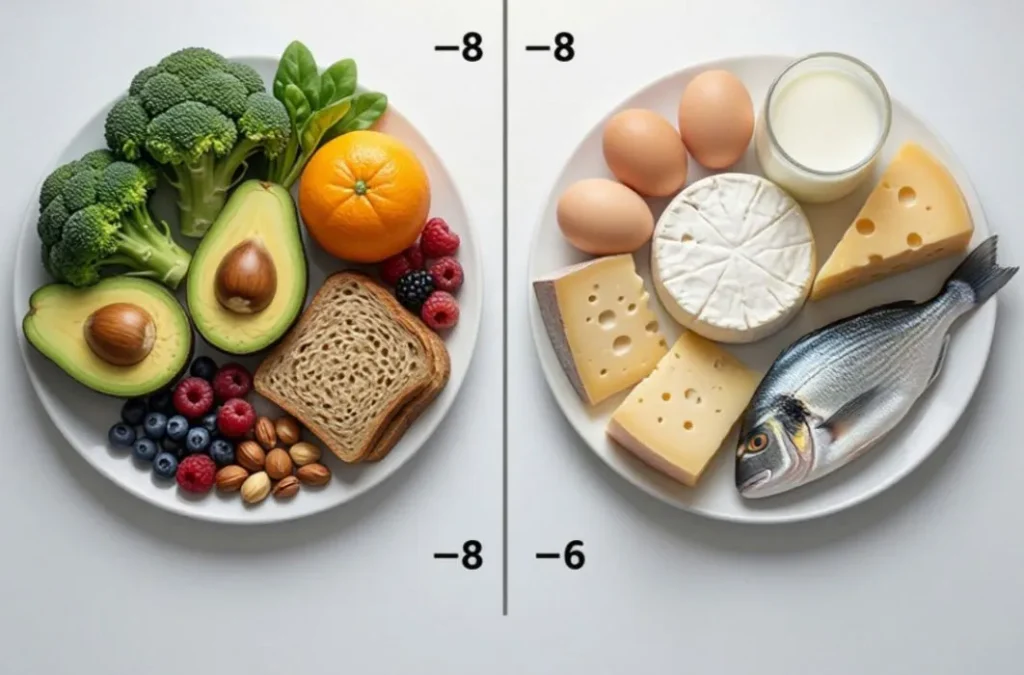
The moment a pregnancy test displays those two life-changing lines, a sudden shift occurs in how a person views the world—and their kitchen. Suddenly, a simple trip to the grocery store or a glance at a restaurant menu can trigger a wave of questions. What used to be a routine breakfast or a favorite weekend takeout order is now viewed through the lens of fetal safety. While the sheer volume of conflicting dietary advice online can feel overwhelming, understanding the medical reasoning behind prenatal food safety empowers you to make nourishing, stress-free choices for you and your baby.
The hidden pathogens behind pregnancy food warnings
To understand why certain items are restricted, it is helpful to look at how a pregnant body’s immune system adapts. During pregnancy, your immune system is naturally suppressed so that your body does not reject the developing fetus. While this is a brilliant biological adaptation, it also makes you more vulnerable to foodborne illnesses. Two pathogens in particular, Listeria monocytogenes and Toxoplasma gondii, pose serious risks because they can cross the placenta and directly affect the baby, even if the mother only experiences mild, flu-like symptoms.
Listeria is a hardy bacterium that can survive and even multiply in cold refrigerator temperatures, commonly hiding in unpasteurized soft cheeses, deli meats, and unwashed produce. Meanwhile, Toxoplasma is a parasite found in undercooked meat, unwashed soil, and cat litter. Understanding these microscopic threats explains why medical professionals place such a high emphasis on careful food selection and thorough cooking during these nine months.
Clear boundaries on foods to avoid during pregnancy
While most everyday ingredients are perfectly safe to enjoy, certain categories carry a disproportionately high risk of contamination. Eliminating these specific items from your kitchen is one of the simplest and most effective ways to protect your developing baby from severe bacterial and parasitic infections.
- Unpasteurized dairy products: soft cheeses like brie, camembert, and feta made from raw milk can harbor harmful bacteria.
- Raw or undercooked meats: rare steaks, raw poultry, and dry-cured meats like salami carry a high risk of toxoplasmosis.
- High-mercury fish: large predatory species such as shark, swordfish, king mackerel, and tilefish contain heavy metals that can harm fetal brain development.
- Unpasteurized juices and cider: freshly squeezed beverages sold at local markets may not have undergone heat treatment to kill pathogens.
- Raw sprouts: alfalfa, clover, and radish sprouts grow in warm, humid conditions that are perfect for Salmonella and E. coli replication.
Avoiding these high-risk items significantly lowers your daily exposure to preventable foodborne illnesses. By making these straightforward adjustments to your shopping list, you can drastically reduce the likelihood of food poisoning while still enjoying a rich, satisfying, and highly diverse diet.
Addressing the sushi question and seafood safety
One of the most frequent questions expectant parents ask centers on Japanese cuisine: can you eat sushi while pregnant? The answer is nuanced, depending entirely on how the seafood is prepared. Raw fish carries a risk of carrying parasitic worms and bacteria, which can cause severe gastrointestinal distress and compromise maternal health. However, this does not mean you have to abandon sushi rolls entirely for nine months.
Fully cooked seafood options, such as baked eel, tempura shrimp, or cooked crab rolls, are completely safe to consume and highly nutritious. In fact, low-mercury fish is an excellent source of omega-3 fatty acids, which are critical for your baby’s cognitive and visual development. Choosing cooked rolls or vegetarian options like avocado and cucumber sushi allows you to satisfy your cravings while keeping safety at the forefront.
Navigating the grocery store with confidence
Making the transition to a prenatal-friendly diet does not mean you have to eat a bland or highly restrictive selection of meals. By understanding how to swap out high-risk foods for safe, equally delicious alternatives, you can easily maintain your culinary habits while ensuring complete safety.
| Food category | High-risk choice to bypass | Pregnancy-safe alternative | Key health benefit |
|---|---|---|---|
| Dairy and cheese | Unpasteurized brie or blue cheese | Pasteurized cheddar, mozzarella, or cream cheese | Provides essential calcium and protein for bone development |
| Deli and meats | Cold deli turkey or prosciutto | Heated deli meats (steaming hot) or roasted chicken | Delivers amino acids while eliminating bacterial risks |
| Seafood and fish | Raw salmon sashimi or oysters | Baked salmon, shrimp, or canned light tuna | Supplies crucial omega-3 fatty acids and lean protein |
| Eggs and breakfast | Raw cookie dough or runny egg yolks | Fully cooked scrambled eggs or pasteurized egg products | Offers choline to support fetal brain and spinal cord growth |
Utilizing these simple dietary substitutions ensures that your meals remain packed with flavor and vital nutrients. This proactive approach to grocery shopping removes the guesswork from meal prep, allowing you to focus on enjoying your food with absolute peace of mind.
Establishing reliable prenatal nutrition guidelines
Beyond avoiding hazards, a successful pregnancy diet centers on actively fueling your body with dense, nutrient-rich foods. Focusing on key nutritional blocks ensures that your developing baby receives the exact resources needed for steady growth and organ development.
- Folate and folic acid: found in dark leafy greens, citrus fruits, and fortified cereals to prevent neural tube defects.
- Iron-rich foods: sourced from lean beef, poultry, beans, and lentils to support the dramatic increase in maternal blood volume.
- Calcium and vitamin D: obtained from pasteurized dairy, fortified plant milks, and salmon to build strong bones and teeth.
- Lean protein sources: incorporated through fully cooked poultry, pasteurized eggs, tofu, and legumes for cellular growth.
- Hydration fluids: prioritizing clean, filtered water to support the placenta and maintain healthy amniotic fluid levels.
Emphasizing these foundational nutrients on your daily plate helps build a strong biological foundation for your baby’s development. By centering your meals around this pregnancy safe foods list, you can ensure you are meeting your increased metabolic demands without relying on empty calories.
Practical habits for listeriosis prevention pregnancy
While selecting the right ingredients is vital, how you handle and prepare your food is equally important for keeping pathogens out of your kitchen. Simple kitchen hygiene practices serve as a highly effective barrier against cross-contamination. Always wash your hands, cutting boards, and utensils thoroughly with warm, soapy water after handling raw meat or unwashed produce. Ensure your refrigerator is kept at or below 40°F (4°C) to slow down any potential bacterial growth, and make a habit of thoroughly washing all fresh fruits and vegetables under running water, even if you plan to peel them. By combining a mindful selection of ingredients with these standard food safety practices, you can confidently navigate your culinary journey and nurture your growing baby with love and safety.