

Pregnancy has always been watched closely, but the way clinics understand risk is changing. For decades, prenatal care relied mainly on scheduled appointments, lab results, ultrasound findings, and the patient’s own description of symptoms between visits. That model remains important, yet it leaves long stretches of silence. A woman may feel well at a Monday appointment and develop high blood pressure by Friday. Blood sugar may look stable during a clinic review but fluctuate sharply at home. Sleep, stress, weight changes, medication adherence, and fetal movement patterns can shift long before the next scheduled check-up.
Modern Ob/Gyn clinics are beginning to close that gap with data. Not because pregnancy should become cold or mechanical, but because good information can help clinicians see change earlier, personalize care more precisely, and support patients outside the exam room. The strongest future for pregnancy care is not a screen replacing a doctor. It is a better-connected relationship between the patient, the care team, and the signals that show how pregnancy is progressing day by day.
Why pregnancy care is moving beyond appointment-based monitoring
Traditional prenatal care was designed around periodic snapshots. A patient comes to the clinic, blood pressure is taken, urine may be checked, symptoms are discussed, fetal growth is assessed at the right stage, and the plan is adjusted if something has changed. This system has helped millions of pregnancies, but it was built for a time when most health information could only be collected inside the clinic.
Pregnancy does not move in snapshots. It is continuous, dynamic, and deeply individual. Two patients at the same gestational age can have very different risks, different home situations, different access to transport, different medical histories, and different warning signs. A clinic visit can capture what is happening in that moment, but it cannot fully show what happened during the previous week or what may be developing quietly.
Data-driven pregnancy care tries to fill that missing space. A home blood pressure cuff, glucose monitor, symptom app, digital weight log, wearable device, or remote check-in can give the clinical team a more complete view. Instead of waiting for a patient to reach a threshold that demands urgent care, clinicians may notice smaller changes earlier. A gradual rise in blood pressure, repeated headaches, reduced activity, poor sleep, or unusual glucose patterns may prompt a nurse call, medication review, lab test, or earlier appointment.
This matters because many pregnancy complications are time-sensitive. Hypertensive disorders, gestational diabetes, fetal growth concerns, anemia, infection, and mental health strain can become more dangerous when they are detected late. Data does not remove uncertainty, but it can shorten the distance between the first signal and the clinical response.
The shift is also practical. Many patients cannot easily attend frequent appointments. Work schedules, childcare, transport costs, rural distance, disability, and fatigue can all make routine visits harder than they look on paper. Remote monitoring and digital check-ins do not eliminate the need for in-person care, but they can reduce unnecessary trips while making the visits that do happen more meaningful. When a clinician already has a pattern of readings or symptoms before the appointment begins, the conversation can move faster toward decisions.
What data can actually show during pregnancy
The word “data” can sound abstract, especially in a field as personal as pregnancy. In practice, useful pregnancy data is often simple. It is not only advanced artificial intelligence or hospital dashboards. It may be a blood pressure reading taken at the kitchen table, a glucose value after breakfast, a daily symptom report, or a note that fetal movements feel different from usual.
The value comes from patterns. A single blood pressure reading may be affected by stress, timing, posture, or device error. A series of readings taken correctly over several days tells a more useful story. The same is true for glucose levels, weight trends, mood symptoms, medication side effects, and sleep quality. Data becomes clinically powerful when it shows direction, frequency, and change.
Clinics are especially interested in areas where early action can prevent escalation. Blood pressure is one of the clearest examples. Pregnancy-related hypertension and preeclampsia can develop quickly, and postpartum blood pressure can remain dangerous after the baby is born. Home monitoring gives clinicians a way to see what happens between visits and after discharge, when patients may otherwise be left with vague instructions to seek help if they feel unwell.
Gestational diabetes is another area where data can change care. Instead of relying only on occasional reviews, glucose tracking can show how the body responds to meals, activity, sleep, and medication. This allows care teams to adjust nutrition guidance or treatment with more precision. For the patient, it can also make the condition feel less mysterious. Numbers are not a judgment; they are feedback that can help explain what the body needs.
Digital tools can also support mental health, although this area requires care. Pregnancy and the postpartum period can bring anxiety, depression, isolation, and fear that patients may not always raise during a short appointment. Screening questionnaires, mood check-ins, and secure messages can make it easier to ask for help earlier. Still, clinics must avoid turning emotional life into a score alone. A digital alert should open a human conversation, not replace one.
The same principle applies to fetal well-being. Apps that encourage awareness of fetal movement can help patients notice changes, but they must be designed responsibly. A tool that creates panic over every variation may do harm. A tool that explains when to call, what changes matter, and how the clinic will respond can be genuinely useful.
Before data becomes part of routine care, clinics need to understand what each signal can and cannot do. Different types of data serve different purposes, and not all of them should carry the same weight in clinical decisions.
| Type of pregnancy data | What it may help clinicians notice | How it can support care |
|---|---|---|
| Blood pressure readings | Rising pressure, possible hypertensive disorders, postpartum risk. | Earlier medication review, closer follow-up, urgent assessment when needed. |
| Glucose readings | Meal-related spikes, fasting patterns, response to treatment. | More precise nutrition advice, medication adjustment, better diabetes management. |
| Weight and swelling notes | Sudden changes that may need review. | More informed symptom assessment alongside blood pressure and lab findings. |
| Symptom tracking | Headache, visual changes, pain, bleeding, reduced movement, mood changes. | Faster triage and clearer communication between visits. |
| Wearable activity and sleep data | Rest disruption, reduced activity, recovery concerns. | Supportive conversations about fatigue, stress, and daily functioning. |
| Medication logs | Missed doses, side effects, adherence barriers. | Safer treatment planning and practical problem-solving. |
The table shows why data should be treated as a clinical aid, not a stand-alone authority. A blood pressure reading may be urgent. A sleep trend may be supportive. A symptom report may need immediate triage. A wearable activity pattern may simply help the clinician ask better questions. The future clinic will not treat every number as equally important. It will know which signals demand action, which require confirmation, and which are useful mainly for conversation.
How data changes the relationship between patients and clinicians
Some people worry that digital pregnancy care will make medicine less personal. That risk is real if clinics use tools mainly to save time, push responsibility onto patients, or replace meaningful visits with automated messages. But when designed well, data can make care more personal, not less.
A patient who brings a week of blood pressure readings to a visit is not just saying, “I felt strange.” She can show when symptoms appeared, how often they happened, and whether they matched changes in her readings. A patient with gestational diabetes can discuss real food choices and real glucose patterns instead of trying to remember every meal. A patient with anxiety can report worsening sleep or intrusive worries before the situation becomes overwhelming.
This changes the conversation. The clinician is no longer working only from memory and isolated measurements. The patient is no longer expected to compress a complex week into a few minutes. The appointment becomes less about guessing and more about interpreting.
Data can also give patients a stronger sense of participation. Pregnancy can feel like something that is happening inside the body but controlled by appointments, tests, and medical language. Home monitoring gives some patients a clearer role. They can see how daily habits, medication, rest, hydration, and symptoms connect with clinical advice.
That does not mean every patient wants more tracking. Some find it reassuring; others find it stressful. A clinic that respects patients will not assume that more data is always better. The goal is appropriate monitoring for the right person at the right time. A low-risk pregnancy may not need intensive tracking. A patient with chronic hypertension, diabetes, kidney disease, previous preeclampsia, multiple pregnancy, or major access barriers may benefit from closer remote support.
Good data-driven care also requires clear boundaries. Patients should know what is being monitored, who reviews it, how quickly the clinic responds, and what they should do in an emergency. A remote monitoring program is unsafe if patients believe someone is watching every number in real time when the clinic only reviews readings once a day. Trust depends on honesty.
The most effective clinics will likely build simple rules around digital care:
- Patients should receive clear instructions on how to measure and submit readings.
- Alerts should lead to a defined clinical response, not disappear into a system.
- Digital tools should support urgent safety advice, not replace emergency care.
- Patients should be able to ask questions when readings worry them.
- Monitoring should be adapted to medical risk, language, health literacy, and access to devices.
- Clinicians should explain why a signal matters, not simply tell patients to track it.
These principles keep technology in its proper place. Data is useful when it strengthens the patient-clinician relationship. It becomes harmful when it creates confusion, anxiety, or a false sense of surveillance without care.
The clinic workflow of the future
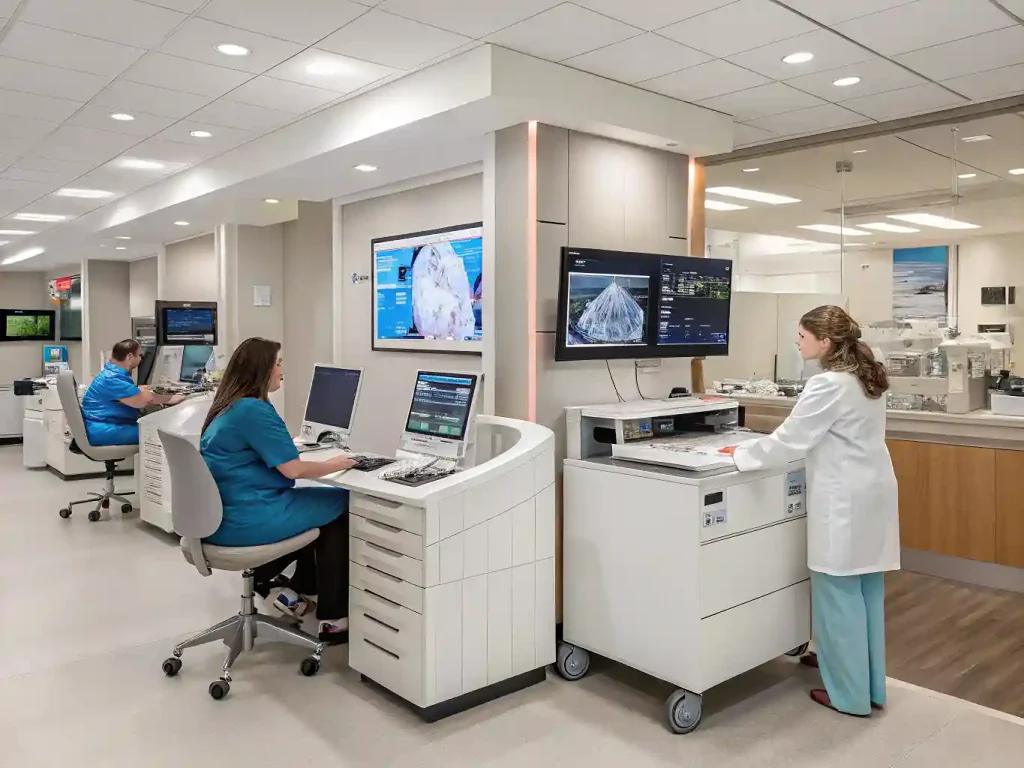
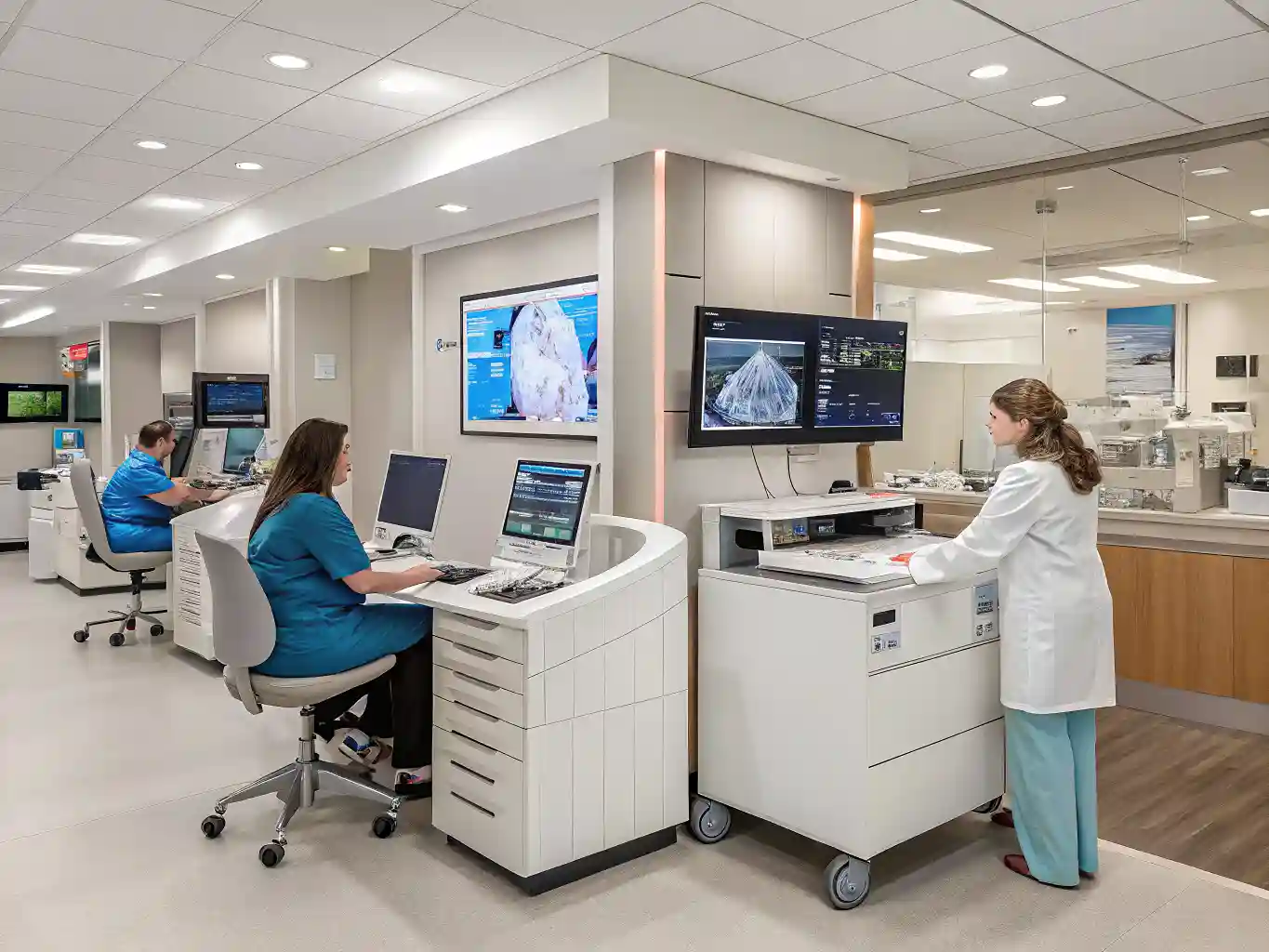
The future Ob/Gyn clinic will not look like a command center filled with screens and alarms. It will still include reception desks, ultrasound rooms, exam tables, nurses, midwives, physicians, lab work, and conversations that require privacy and trust. What will change is the flow of information around those moments.
Before an appointment, the care team may already know whether home blood pressure has been stable, whether glucose logs show repeated fasting elevations, whether symptoms have increased, or whether the patient has missed medication because of side effects. The visit can begin with a clearer picture. Instead of spending most of the time reconstructing what happened, the clinician can focus on interpretation and decisions.
Between visits, remote monitoring teams may review incoming readings and sort them by urgency. A normal value may require no action. A borderline trend may trigger a message or nurse call. A dangerous reading may lead to same-day evaluation. This kind of workflow can make care more proactive, but only if clinics invest in staffing and responsibility. Technology alone does not review data; people and well-designed systems do.
The postpartum period may see some of the biggest changes. Many serious maternal health risks do not end at delivery. Blood pressure, bleeding, infection, mood symptoms, breastfeeding complications, pain, and recovery concerns can emerge when patients are already home and exhausted. Traditional postpartum care has often relied on one visit weeks after birth, which can be too late for some problems. Digital check-ins, home blood pressure monitoring, and targeted follow-up can keep the care relationship active during a vulnerable period.
Artificial intelligence may also enter the workflow, but its role should be carefully limited and transparent. AI can help identify patterns, prioritize alerts, summarize patient-reported information, or flag combinations of symptoms and readings that deserve attention. It should not make final decisions about complex pregnancy care without clinical oversight. Pregnancy involves too many human, ethical, and medical variables for blind automation.
The best use of AI may be quiet and practical. It can help a clinic avoid missing a rising trend in hundreds of readings. It can help organize information before a visit. It can remind the team that a patient has not submitted readings after a high-risk diagnosis. It can support translation, education, and follow-up instructions when carefully checked. These uses are less dramatic than futuristic predictions, but they are more likely to improve care.
Clinics will also need stronger integration between systems. If a patient enters blood pressure in one app, glucose in another, and messages symptoms through a third portal, the care team may become overloaded. The future belongs to tools that fit into the clinical record, reduce duplicate work, and show the most important information clearly. More data is not the same as better care. Better care comes from the right data arriving in a form that clinicians can use.
The risks clinics must solve before data-driven care becomes standard
Data-driven pregnancy care has real promise, but it also brings problems that cannot be ignored. The most obvious is access. A remote monitoring program may sound simple to someone with a smartphone, reliable internet, paid leave, and confidence using health apps. It may be much harder for someone who shares a phone, has unstable housing, speaks another language, cannot afford devices, or feels uncomfortable with digital forms.
If clinics are not careful, digital care can widen the very gaps it hopes to close. Patients with more resources may receive smoother monitoring, while those at higher risk may be labeled “noncompliant” because the system was not built for their lives. Equity must be designed from the beginning. That may mean loaner devices, multilingual instructions, phone-based options, text messaging instead of app-only systems, community health support, and flexible follow-up.
Privacy is another concern. Pregnancy data is sensitive. It can include medical risk, location patterns, mental health information, medication use, fertility history, and details about the fetus. Patients deserve to know who can see their information, how it is stored, whether it is shared with third parties, and how long it remains in the system. Consent should be understandable, not hidden in legal language.
There is also the risk of anxiety. Some patients feel safer when they can monitor at home. Others may become preoccupied with every number. A normal variation may feel frightening. A device error may lead to panic. Clinics need to teach patients what matters, what does not, and when to call. Data without explanation can create more fear than safety.
Clinicians face their own burden. Ob/Gyn teams are already under pressure. If digital programs send too many alerts, too many messages, or poorly organized dashboards, staff may experience alert fatigue. Important signals can get buried under noise. The clinic of the future must protect clinicians as well as patients by using thresholds, triage protocols, and clear responsibility.
Accuracy also matters. Home devices must be validated, used correctly, and interpreted with clinical judgment. A cuff that does not fit, a glucose monitor used incorrectly, or a wearable that estimates sleep poorly can mislead both patient and clinician. Data quality is part of medical quality.
The legal and ethical questions will become more important as digital tools grow. Who is responsible if an app fails to send an alert? How quickly must a clinic respond to patient-entered readings? Can a patient choose not to use remote monitoring without receiving worse care? How should algorithms be tested across different racial, ethnic, age, and socioeconomic groups? These questions are not barriers to innovation. They are the work that makes innovation safe.
Why the human side will matter even more
Pregnancy care is not only risk management. It is also reassurance, preparation, trust, and shared decision-making. A patient may need a blood pressure adjustment, but she may also need someone to listen to her fear. She may need a glucose plan, but also help managing guilt around food. She may need an ultrasound, but also a clear explanation of what the findings mean. Data can support these moments, but it cannot replace them.
The clinics that succeed will not be the ones that collect the most information. They will be the ones that turn information into better conversations and safer decisions. They will know when to rely on remote monitoring and when to bring a patient in. They will understand that a normal reading does not always mean a patient is fine, and an abnormal reading does not always mean disaster. They will combine numbers with clinical experience and patient knowledge.
This is especially important because pregnancy is emotionally intense. Many patients search symptoms online, compare experiences with friends, and worry about what they might miss. A well-designed clinic can use data to reduce uncertainty without overwhelming the patient. It can say, “Here is what we are watching, here is what looks stable, here is what would make us act, and here is when you should call.”
That kind of clarity is powerful. It helps patients feel cared for between visits. It helps clinicians intervene earlier. It makes pregnancy care less reactive and more continuous.
The future of Ob/Gyn clinics will be shaped by devices, apps, algorithms, and remote monitoring programs, but the deeper change is cultural. Pregnancy care is moving from isolated appointments toward an ongoing model of support. Data is becoming part of the relationship, not because numbers know more than clinicians, but because they can reveal changes that people might otherwise miss.
The safest future is not a fully automated pregnancy. It is a more attentive one. Clinics will still need skilled doctors, nurses, midwives, sonographers, mental health professionals, and care coordinators. Patients will still need empathy, explanation, and choice. What data can offer is a stronger bridge between the body at home and the care team in the clinic.
When that bridge is built carefully, pregnancy monitoring becomes more timely, more personal, and more honest about how pregnancy actually unfolds: not in scheduled fragments, but continuously, one changing day at a time.